
Employee productivity is really important for a company to do well. A lot of companies are trying to find ways to help their employees work smarter and get things done without having to put in extra hours. With all the changes happening at work like people working from home and the office and with intelligence and digital tools it is necessary to have good productivity tools.
In those days employees had to use a lot of paperwork, spreadsheets and long email threads to get things done. This often caused problems, like delays and miscommunication that made it hard for people to do their jobs well. Nowadays we have tools that can help solve these problems by making it easier to get work done automating tasks and making it simpler for people to find the information they need.
The right tools can really make a difference in how employees work. They help teams stay on top of things, talk to each other, manage projects more efficiently and make good decisions. When employees do not have to spend all their time on administrative tasks they can focus on the work that really matters and helps the company grow.
As we go through 2026 companies have options, than ever before to help their employees be more productive. If companies can figure out which tools are helpful they can build teams that are more efficient, happy and successful. Employee productivity tools are very important for companies to be successful.
Why Employee Productivity Tools Matter

Every employee has a lot on their plate throughout the workday. They go to meetings, respond to emails, work with colleagues, handle projects, make reports and fix issues. Without the tools and systems all these tasks can be really overwhelming and take up too much time.
Productivity tools make it easier for employees to manage their work. They make things simpler, cut down on tasks and help employees see what needs to be done and when. As a result employees waste time organizing their work and more time getting things done.
Businesses gain a lot when their employees are more productive. Projects get finished faster, customers are happier, operational costs go down and employees feel less stressed. When employees are more productive they feel more in control of their work. Are more engaged because they can achieve their goals.
Also productivity tools help teams work in a way. They create processes that improve how team members communicate, take responsibility and measure performance. Companies that use these tools often have an edge over their competitors because they work efficiently.
Communication and Collaboration Tools

Communication is key to every organization. Employees need ways to share information, talk about projects and work together across departments and locations.
Modern communication tools have changed how we interact at work. Instant messaging, video calls, group chats and shared workspaces let employees talk in time no matter where they are.
These tools help get rid of delays that come with communication methods. By waiting for email replies, employees get answers right away, solve problems quickly and keep projects on track.
Collaboration tools make us more productive by letting multiple people work on documents, presentations and files at the time. Team members can share ideas, give feedback and make updates without confusion over document versions.
As organizations adopt hybrid work, communication and collaboration tools are crucial, for keeping productivity high.
Some examples of Communication and Collaboration Tools that help employees work together more effectively:
1. Slack
Slack is one of the most popular workplace communication platforms. It allows teams to create channels for different projects, departments, or topics, making conversations organized and easy to follow. Employees can send direct messages, share files, conduct video calls, and integrate other business applications. Slack reduces email overload and enables faster decision-making through real-time communication.
2. Microsoft Teams
Microsoft Teams combines chat, video conferencing, file sharing, and collaboration features in a single platform. It integrates seamlessly with Microsoft 365 applications such as Word, Excel, and PowerPoint, allowing employees to collaborate on documents without leaving the platform. Teams is especially useful for hybrid and remote work environments where constant communication is essential.
3. Zoom
Zoom is widely used for virtual meetings, webinars, and video conferences. It provides high-quality audio and video communication, screen sharing, recording capabilities, and breakout rooms for group discussions. Businesses use Zoom to maintain face-to-face interaction among employees regardless of location, helping teams stay connected and productive.
4. Google Workspace
Google Workspace includes tools such as Gmail, Google Meet, Google Docs, Google Sheets, and Google Drive. These applications allow multiple team members to work on the same document simultaneously, leave comments, and track changes in real time. This collaborative environment improves teamwork and eliminates confusion caused by multiple document versions.
5. Asana
Asana is a project management and collaboration tool that helps teams organize tasks, set deadlines, assign responsibilities, and track project progress. Employees can communicate within tasks, share updates, and monitor workloads, ensuring everyone remains aligned with project goals and timelines.
Project Management Tools
Project management software is really helpful for employees to stay on top of things and remember what they need to do. This software gives everyone a place to keep track of tasks, deadlines and who is doing what.
One big problem employees have is dealing with a lot of projects at once. If they do not have a system they might forget something important or put it off. Project management software helps with this by showing everyone what is going on.
Employees can use this software to see what they need to do, check how things are going, update what they have done and talk to their team members. Managers can see how projects are doing. Employees know exactly what they are supposed to do.
Project management software also helps people take responsibility for their tasks. Everyone knows who is doing what and when things are due.
Companies that use project management software usually work better together, use their resources smarter and finish projects successfully. Project management software is a part of this. Project management software makes a difference.
Time Management Tools
Time is really important for people who work. Lots of people have trouble with things that interrupt them, things that distract them and bad scheduling that makes them get less work done.
Time management tools help people see how they spend their day at work. These tools track what people do, watch what they are doing and look at how productive they’re. This helps people see where they can do things better.
People can find out what takes up a lot of their time, get rid of things that’re not necessary and focus on the things that are most important. The calendar part of these tools helps people schedule meetings in a way and make time to really focus on their work.
Some time management tools also have reminders, things to help people set goals and reports on how productive they’re. These things help people work better over time.
Companies that help their workers manage their time well usually do better and their workers are happier. There is less stress at work.
Here are some popular Time Management Tools that help employees organize their schedules, prioritize tasks, and improve productivity:
1. Todoist
Todoist is a task management application that helps users create to-do lists, set deadlines, and prioritize important tasks. Employees can organize work into projects, track progress, and receive reminders to ensure deadlines are met. Its simple interface makes it easy to manage daily workloads efficiently.
2. Google Calendar
Google Calendar is one of the most widely used scheduling tools. It allows users to plan meetings, set reminders, create recurring events, and share calendars with team members. Employees can better manage their time by scheduling tasks and appointments in advance, reducing the risk of missed deadlines.
3. Microsoft Outlook Calendar
Outlook Calendar combines email and scheduling capabilities in one platform. Users can organize meetings, book conference rooms, set reminders, and coordinate schedules with colleagues. It is especially useful for businesses that rely on Microsoft 365 tools.
4. Clockify
Clockify is a time-tracking tool that helps employees monitor how much time they spend on various tasks and projects. By tracking work hours, teams can identify productivity patterns, improve time allocation, and ensure projects stay on schedule.
5. RescueTime
RescueTime automatically tracks time spent on applications, websites, and digital activities. It provides detailed productivity reports that help employees understand where their time goes and identify distractions. This insight enables better time management and improved focus.
Task Automation Tools
Automation is really good at helping employees get work done. A lot of things we do at work are the same every time. Do not need a person to do them.
Automation tools can do things like put information into a computer, approve things that need to be approved, make reports, schedule appointments, manage email and send messages to customers. When employees do not have to do these things they can work on important things that need a person to think and be creative.
Automation is also very good, at doing things the way every time and not making mistakes. When a computer does the things over and over it does them correctly because it follows the rules it was given.This means that the work is better and there is a chance of something going wrong.
Automation also saves a lot of time. Can make things happen much faster. Things that used to take a long time can now be done in just a few minutes.
As Automation and artificial intelligence get better the tools we use to automate things are getting better too. Can handle more complicated work.
Here are some popular Task Automation Tools that help businesses automate repetitive tasks, reduce manual work, and improve employee productivity:
1. Zapier
Zapier is one of the most widely used automation platforms. It connects thousands of applications and allows users to create automated workflows called “Zaps.” For example, when a customer submits a form, Zapier can automatically create a task in a project management tool and send a notification to the team. This eliminates repetitive administrative work and saves time.
2. Microsoft Power Automate
Microsoft Power Automate helps organizations automate workflows across Microsoft 365 and other business applications. Employees can automate tasks such as document approvals, email notifications, data collection, and file management. It is particularly useful for businesses already using Microsoft’s ecosystem.
3. Make (formerly Integromat)
Make is a visual automation platform that enables users to build complex workflows without coding. It can automate data transfers, synchronize information between applications, and handle multi-step business processes. Its drag-and-drop interface makes automation accessible to non-technical users.
4. UiPath
UiPath is a leading Robotic Process Automation (RPA) platform. It automates repetitive tasks such as data entry, invoice processing, report generation, and customer service workflows. Businesses use UiPath to increase efficiency and reduce human error in routine operations.
5. Automation Anywhere
Automation Anywhere provides intelligent automation solutions that combine RPA with artificial intelligence. It helps organizations automate business processes such as payroll management, customer support, and data processing, allowing employees to focus on higher-value activities.
Document Management Tools
Information management plays a critical role in workplace productivity. Employees need quick access to files, reports, contracts, policies, and other important documents to perform their jobs effectively.
Without a centralized system, employees often waste time searching through folders, email attachments, and multiple storage locations. This inefficiency can slow down decision-making and reduce productivity.
Document management tools provide secure, organized repositories where information can be stored, categorized, and accessed easily. Advanced search capabilities allow employees to find files quickly, while version control features ensure that everyone is working with the most current information.
Many document management systems also support collaboration by enabling multiple users to review, edit, and approve documents simultaneously.
The result is faster workflows, improved information sharing, and greater operational efficiency.
Knowledge Management Platforms
Organizations create a lot of knowledge every day through the things that customers say, the research they do, what employees experience and how the business runs. The problem is that this knowledge can get lost or hard to find if it is not taken care of properly.
Knowledge management platforms are like libraries where employees can go to get the information they need. These platforms have things like company rules, training materials, documents that explain how things work, frequently asked questions and the best ways to do things.
When employees can easily find the answers to their questions they do not have to bother their colleagues and managers much. This means they can get work done and there are fewer interruptions throughout the organization.
Knowledge management platforms are really helpful when new employees start working. New employees can learn how things are done on their own, which means they can start doing their job more quickly.
As businesses get bigger and change over time it becomes more and more important to share knowledge in a way. This helps the business run smoothly and do things the way every time. Knowledge management platforms are very important for this. They help with knowledge management. Make it easier for people to find the information they need. Knowledge management is key to making sure everything runs well.
AI-Powered Productivity Tools
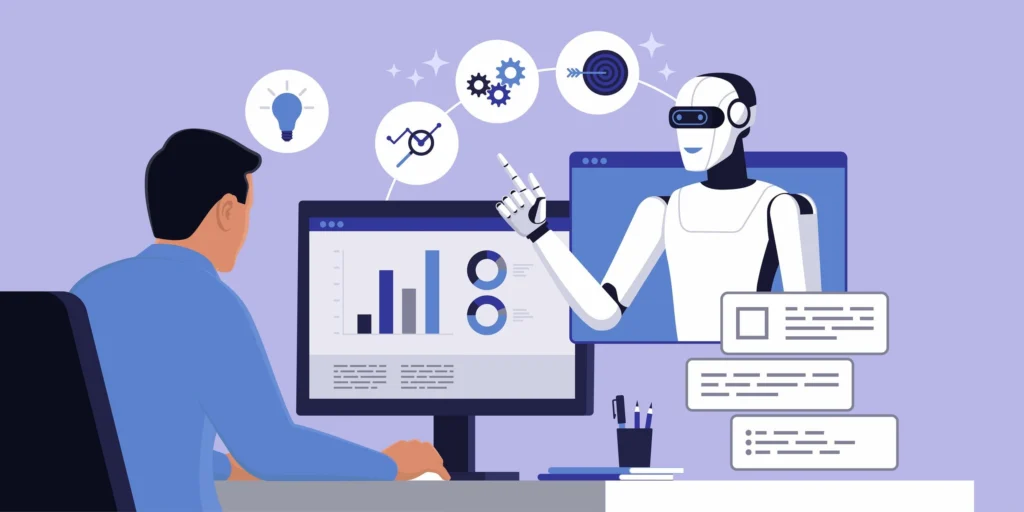
Artificial intelligence is revolutionizing workplace productivity. AI-powered tools provide employees with intelligent assistance that helps them complete tasks faster and make better decisions.
These tools can generate content, summarize meetings, organize information, analyze data, create reports, answer questions, and provide recommendations. Employees gain access to capabilities that would otherwise require significant time and effort.
AI assistants help reduce administrative workloads by automating routine tasks and providing instant access to information. This allows employees to focus on higher-value activities that require creativity, critical thinking, and problem-solving skills.
In customer service environments, AI can help employees respond more quickly to inquiries. In marketing, AI can assist with content creation and campaign analysis. In operations, AI can identify trends and recommend process improvements.
As AI technology continues to advance, its impact on employee productivity is expected to grow significantly.
Here are some popular AI-Powered Productivity Tools that help employees work more efficiently, automate tasks, and improve decision-making:
1. ChatGPT
ChatGPT is an AI assistant that helps employees generate content, draft emails, summarize documents, answer questions, and brainstorm ideas. It can significantly reduce the time spent on writing and research tasks, allowing employees to focus on more strategic work.
2. Microsoft Copilot
Microsoft Copilot integrates AI into Microsoft 365 applications such as Word, Excel, PowerPoint, Outlook, and Teams. It can generate reports, summarize meetings, analyze data, create presentations, and draft emails, helping employees complete tasks faster and with greater accuracy.
3. Google Gemini
Google Gemini is Google’s AI-powered assistant that works across Google Workspace applications. It helps users create content, summarize documents, generate insights from data, and improve collaboration within Gmail, Docs, Sheets, and Meet.
4. Notion AI
Notion AI enhances productivity by assisting with note-taking, content creation, task management, and knowledge organization. Employees can generate summaries, create action items from meeting notes, and quickly find information within their workspace.
5. Grammarly
Grammarly uses artificial intelligence to improve writing quality. It checks grammar, spelling, punctuation, clarity, and tone while providing real-time suggestions. This helps employees communicate more professionally and efficiently.
Employee Focus and Well-Being Tools
Productivity is not solely about efficiency; it is also about maintaining employee well-being. Workers who are stressed, distracted, or burned out are less likely to perform at their best.
Focus tools help employees minimize distractions and create structured work environments. Features such as notification management, website blocking, and productivity timers encourage concentration and deep work.
Wellness platforms support mental health, stress management, and work-life balance. These tools may offer meditation programs, wellness assessments, fitness tracking, and employee assistance resources.
Organizations that prioritize employee well-being often experience higher levels of engagement, lower turnover rates, and stronger productivity outcomes. Employees who feel supported are generally more motivated, resilient, and committed to their work.
Creating a healthy work environment is an essential component of long-term productivity success.
Data Analytics and Reporting Tools
Improving productivity requires visibility into performance. Organizations need accurate data to understand how work is being completed and where opportunities for improvement exist.
Data analytics tools provide insights into workflows, project progress, employee performance, and operational efficiency. These platforms transform raw data into meaningful reports that support informed decision-making.
Managers can identify bottlenecks, monitor resource utilization, and evaluate the effectiveness of various processes. Employees can use analytics to track personal performance and identify areas for growth.
Continuous measurement and analysis help organizations optimize operations over time. By understanding what drives productivity, businesses can make strategic investments and improvements that generate measurable results.
Here are some popular that help businesses collect, analyze, visualize, and report data for better decision-making and improved productivity:
1. Microsoft Power BI
Power BI is a business intelligence and analytics platform that transforms raw data into interactive dashboards and reports. Employees can track key performance indicators (KPIs), identify trends, and make data-driven decisions using real-time insights. Its integration with Microsoft products makes it a popular choice for organizations.
2. Tableau
Tableau is a powerful data visualization tool that helps businesses create interactive charts, graphs, and dashboards. Users can analyze large datasets, uncover patterns, and present information in a visually appealing format. It is widely used by analysts and business leaders to gain actionable insights.
3. Google Looker Studio
Google Looker Studio (formerly Google Data Studio) allows users to create customizable reports and dashboards using data from multiple sources. It integrates with Google Analytics, Google Ads, and other platforms, making it easy to monitor business performance and share insights with teams.
4. Qlik Sense
Qlik Sense is a self-service analytics platform that enables users to explore data through interactive visualizations and dashboards. Its AI-powered analytics capabilities help employees discover hidden trends and make informed business decisions quickly.
5. SAP Analytics Cloud
SAP Analytics Cloud combines business intelligence, planning, and predictive analytics in one platform. Organizations use it to analyze performance, forecast future trends, and improve strategic planning across departments.
Integration Platforms
Many organizations use multiple software applications to support daily operations. However, disconnected systems can create inefficiencies by requiring employees to switch between tools and manually transfer information.
Integration platforms connect different applications and allow data to flow seamlessly between systems. This reduces duplicate work and ensures that information remains accurate and consistent across the organization.
Integrated workflows improve efficiency by automating data transfers and eliminating unnecessary manual processes. Employees spend less time managing systems and more time focusing on productive work.
As technology ecosystems become increasingly complex, integration platforms play an important role in maintaining operational efficiency.
Choosing the Right Productivity Tools
Not every productivity tool is suitable for every organization. Businesses should carefully evaluate their needs before investing in new technology.
Important considerations include ease of use, scalability, integration capabilities, security features, customer support, and overall cost. The best tools are those that align with organizational objectives and fit naturally into existing workflows.
Employee involvement is also critical during the selection process. Workers who use the tools daily can provide valuable insights into requirements and usability concerns.
Training and support should not be overlooked. Even the most advanced software will fail to deliver results if employees do not understand how to use it effectively.
Successful implementation requires careful planning, ongoing education, and continuous evaluation.
Conclusion
Employee productivity tools are really important for companies that want to do so in 2026 and after that.
These tools include things like email and messaging systems well as computer programs that can help with tasks and make work easier.
They help employees get things done faster and better.
The best workplaces use a lot of tools that work together to make it easy for people to do their jobs.
This means they have to do paperwork and can get the information they need easily.
If companies pick the tools and help their employees learn how to use them they can get more work done, make their employees happier and do better as a business.
As time goes on employee productivity tools will become more important, for how we work.
Companies that start using these tools now will have a better chance of succeeding in a world where everything is online and there is a lot of competition.
Frequently Asked Questions (FAQs)
1. What are employee productivity tools?
Employee productivity tools are software applications designed to help workers manage tasks, communicate effectively, automate processes, and improve overall workplace efficiency.
2. Why are productivity tools important for businesses?
They help reduce manual work, improve collaboration, increase efficiency, and enable employees to focus on high-value tasks that drive business growth.
3. What types of tools help increase employee productivity?
Communication tools, project management software, time tracking platforms, automation tools, document management systems, AI assistants, and analytics tools all contribute to higher productivity.
4. How do project management tools improve productivity?
They organize tasks, track deadlines, improve accountability, and provide visibility into project progress, helping teams stay aligned and efficient.
5. Can AI tools increase employee productivity?
Yes. AI tools can automate repetitive tasks, summarize information, generate content, analyze data, and support decision-making, saving employees significant time.

Mehreen Mushtaq is a skilled content writer dedicated to creating high-quality, engaging, and SEO-focused blogs. She specializes in strategic keyword usage, search intent, and informative content that connects with readers while helping websites strengthen their visibility and rankings in search results.